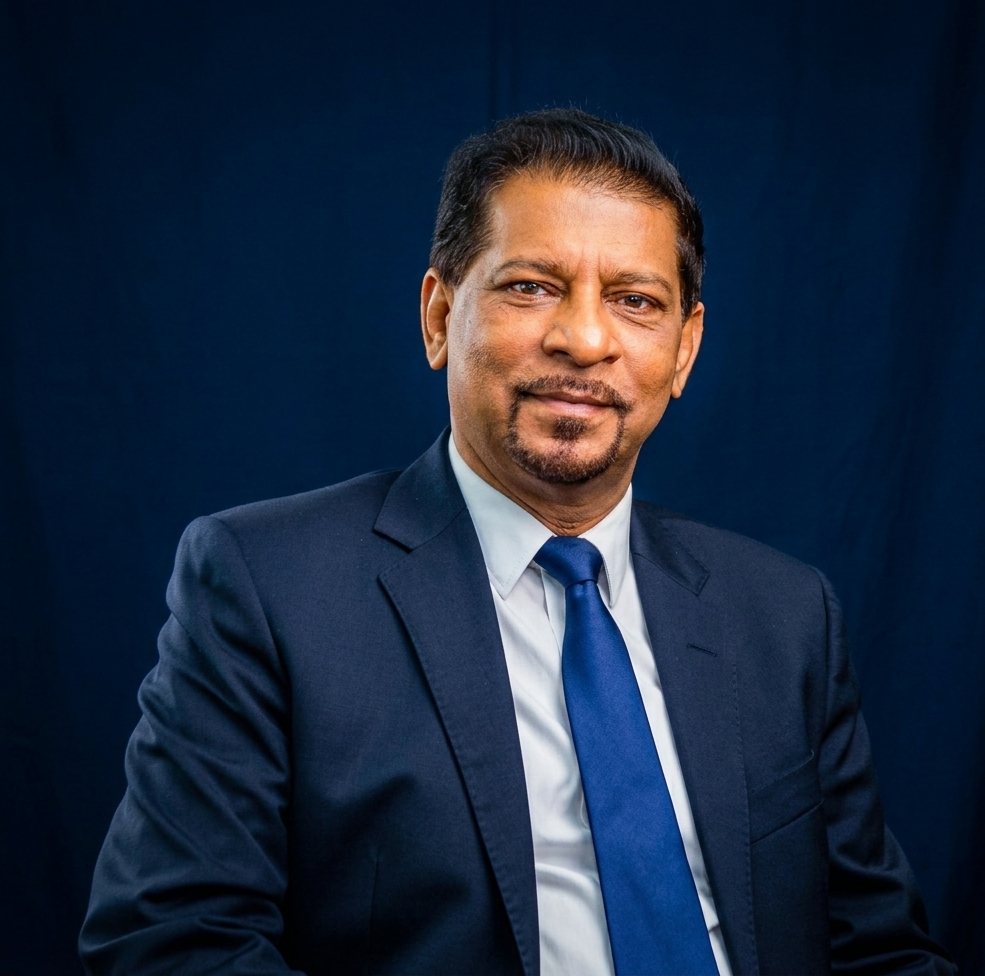
Civil Engineer · BSc (Civil Engineering), University of Peradeniya · Member, Institution of Engineers Sri Lanka
CEC Group of Companies · Consulting Engineers & Contractors (Pvt) Ltd
“We don’t just build for today, we engineer the landmarks of tomorrow.”Ashoka Randeni

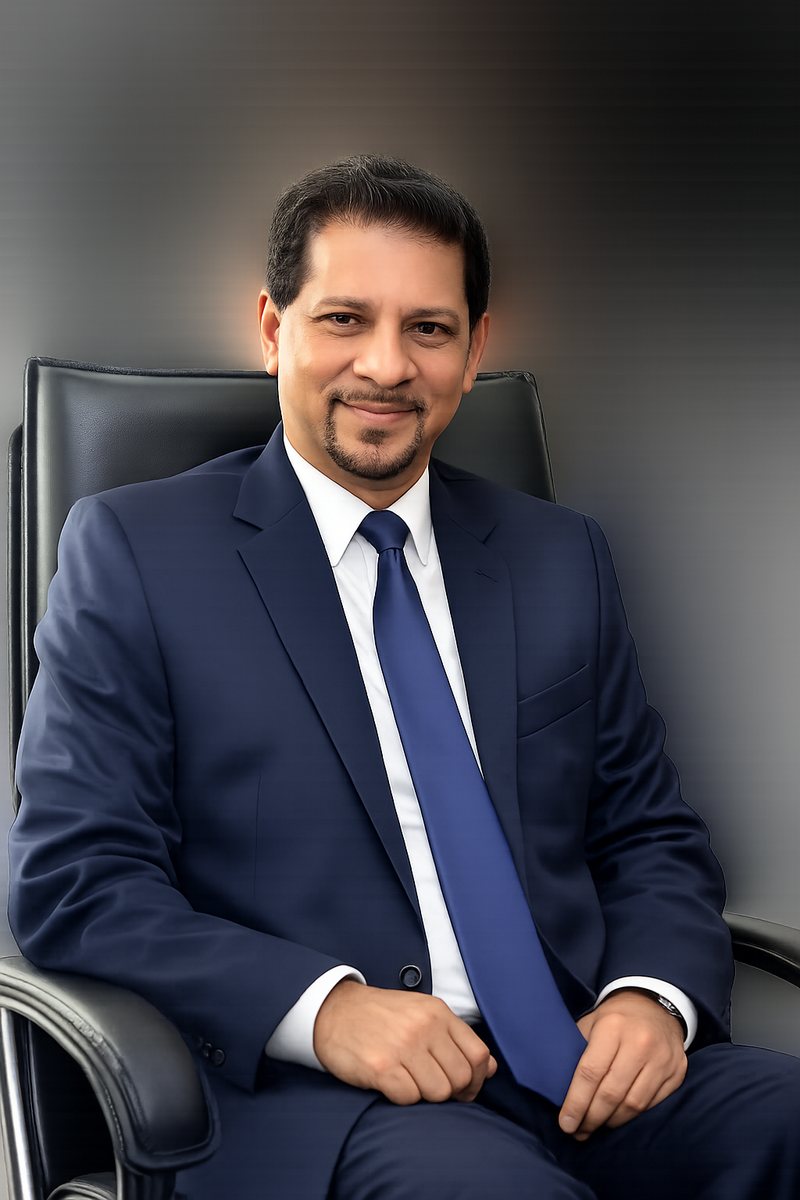
Eng. Ashoka Randeni is the Founder, Chairman and Managing Director of Consulting Engineers & Contractors (Pvt) Ltd (CEC).
A qualified Civil Engineer, he holds a BSc in Civil Engineering from the University of Peradeniya and is a Member of the Institution of Engineers Sri Lanka (IESL).
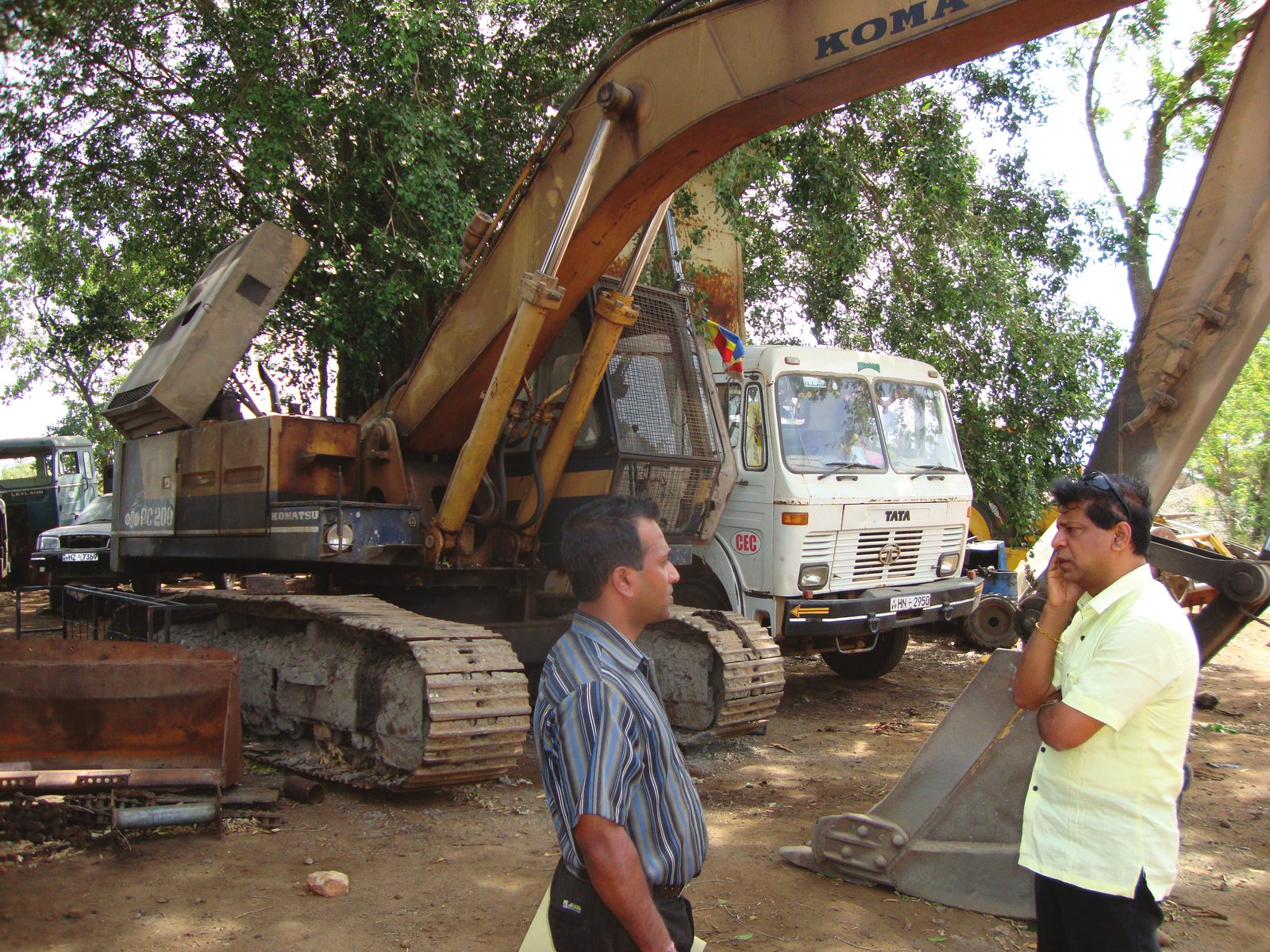
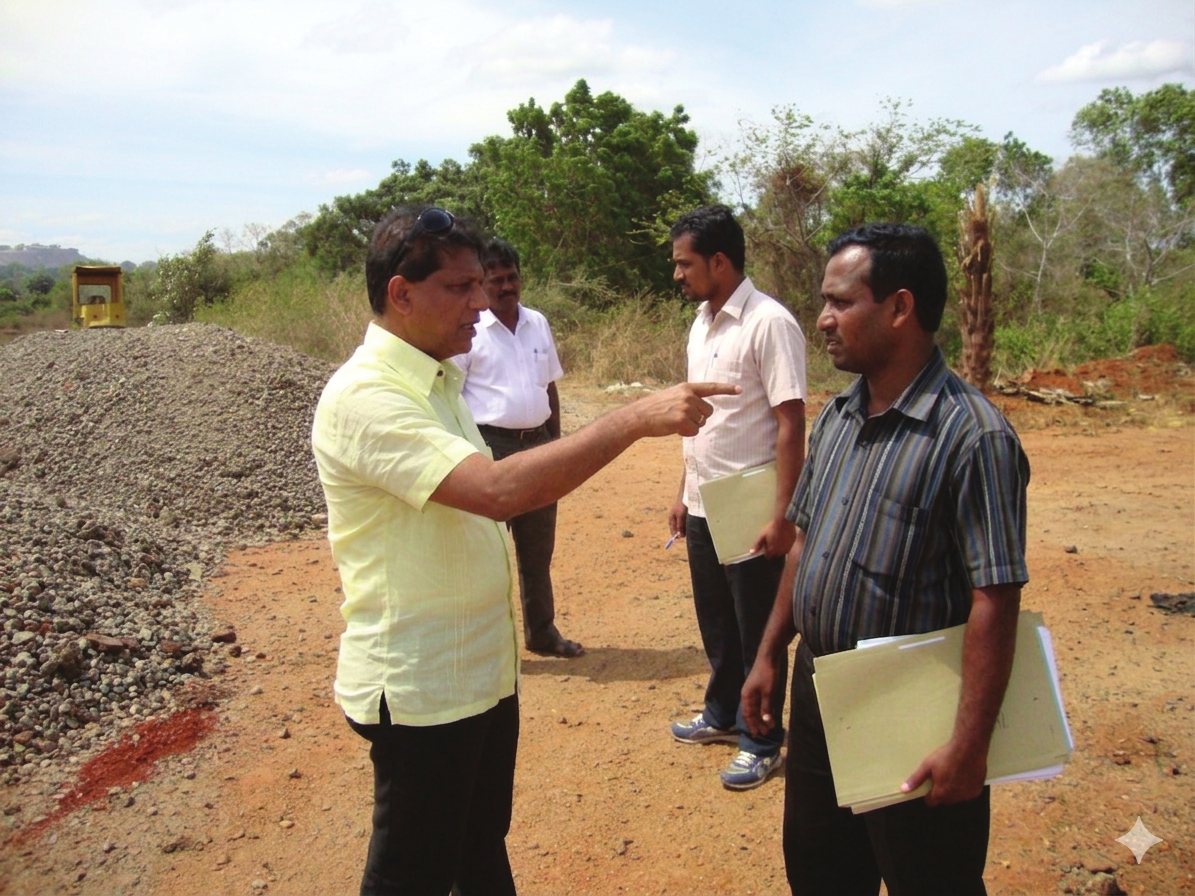
During his undergraduate industrial training, he trained at the CECB on the Randenigala–Rantambe Road Construction Project, gaining valuable hands-on experience in road construction engineering and project execution.
He began his career in 1986 with the Central Engineering Consultancy Bureau (CECB), serving as a Resident Project Manager in the Northern Region and gaining extensive experience in engineering and project management. Driven by a vision to contribute to national development, he founded CEC in 1992. Under his leadership, the company has grown into a respected organisation, recognised for its commitment to quality, integrity and engineering excellence.
BSc in Civil Engineering, University of Peradeniya
Member, Institution of Engineers Sri Lanka (IESL)
Wrestling – Vice Captain of the University Wrestling Team, Inter-University Wrestling Championship
Table Tennis – excellence across multiple sports
University Colours in Wrestling and Table Tennis.
Randenigala–Rantambe Road Construction Project.
Junior Engineer, CECB Head Office, Colombo.
Military infrastructure in the Anuradhapura district, 1987–1992.
Consulting Engineers & Contractors (Pvt) Ltd.
Over 1,000 km of roads and a diversified group of companies.
The professional foundations and first appointment of Eng. Ashoka Randeni at CECB, Sri Lanka.
Eng. Ashoka Randeni’s first appointment at the Central Engineering Consultancy Bureau (CECB) stands as a defining chapter in Sri Lanka’s engineering history, marked by technical rigour, operational efficiency and unwavering resolve under extreme conditions. Beginning his career as a Junior Engineer at the CECB Head Office, he quickly distinguished himself through his strong command of structural design, site management and project execution. His early work in Colombo showed a profound capacity for complex civil engineering tasks, laying the groundwork for what would soon become a high-stakes operational trial.
By late 1987, Sri Lanka had reached a critical juncture. The escalation of the civil war in the Northern and Eastern provinces, together with acute civil unrest across the Southern regions, made field deployments extraordinarily dangerous. Supply chains were severely disrupted, security threats were constant and routine construction carried life-threatening risks. Many qualified engineers were understandably hesitant to accept postings in or near active conflict zones. Recognising his technical competence, leadership potential and resilience, CECB’s top management selected Eng. Randeni, alongside a single batchmate, to take complete operational charge of critical military infrastructure expansion in the Anuradhapura district.
Accepting this assignment when few others would step forward, he assumed the responsibilities of Resident Engineer in 1987. Over the next five years, from 1987 to 1992, he oversaw a vast range of high-priority construction across the Northern border camps, focusing on the key strategic installations at Saliyapura and Kalattawa. Operating under the 2nd Division Headquarters in Anuradhapura, these bases were the main operational launchpads for military campaigns throughout the Northern theatre, and maintaining their structural capability and rapid development was directly tied to national security.
Despite the heavy operational load, he personally managed and executed the infrastructure development almost entirely as the sole engineer on site.
Designed and supervised the construction of the Major General’s operational office, two-division command facilities and administrative headquarters.
Delivered complete building systems for officers’ messes, general chalets, junior quarters and extensive accommodation complexes for troops stationed on the front lines.
Introduced modern, health-compliant utility infrastructure with advanced sewerage systems and specialised oxidation ponds, a first for military camp configurations in the region at the time.
The work executed under his direct supervision represented a capital investment equivalent to LKR 4,000 million in present-day value. Completing projects of this size demanded not only engineering expertise but meticulous planning, resourcefulness and a deep commitment to safety in the midst of civil war.
Beyond his structural achievements, he earned high regard for his diplomatic skill and civil–military coordination. Throughout his tenure he maintained cordial, collaborative relationships with the highest levels of the Sri Lankan military leadership, including General Denzil Kobbekaduwa and General Janaka Algama, ensuring that engineering objectives aligned with active operational needs.
A masterclass in crisis-era engineering: vital infrastructure delivered almost single-handedly under active security threats, and the launchpad for founding his own engineering firm in 1992.
After leaving the CECB, Eng. Ashoka Randeni drew on his extensive field experience to establish his own civil engineering venture, CEC. His move into private enterprise was strongly encouraged by senior Sri Lanka Army generals and officers who held deep respect for his crisis-era leadership. At a time when private engineering contracting was still rare in Sri Lanka, CEC stepped forward to pioneer major development work.
The firm quickly took on high-value defence infrastructure projects across volatile areas. These contracts were in remote, rural settings with severe material shortages and direct threats from the insurgency. Working at exceptionally low project rates, Eng. Randeni and CEC persevered not for profit but out of willpower, patriotism and an unwavering commitment to advancing Sri Lanka’s national infrastructure through times of trial.
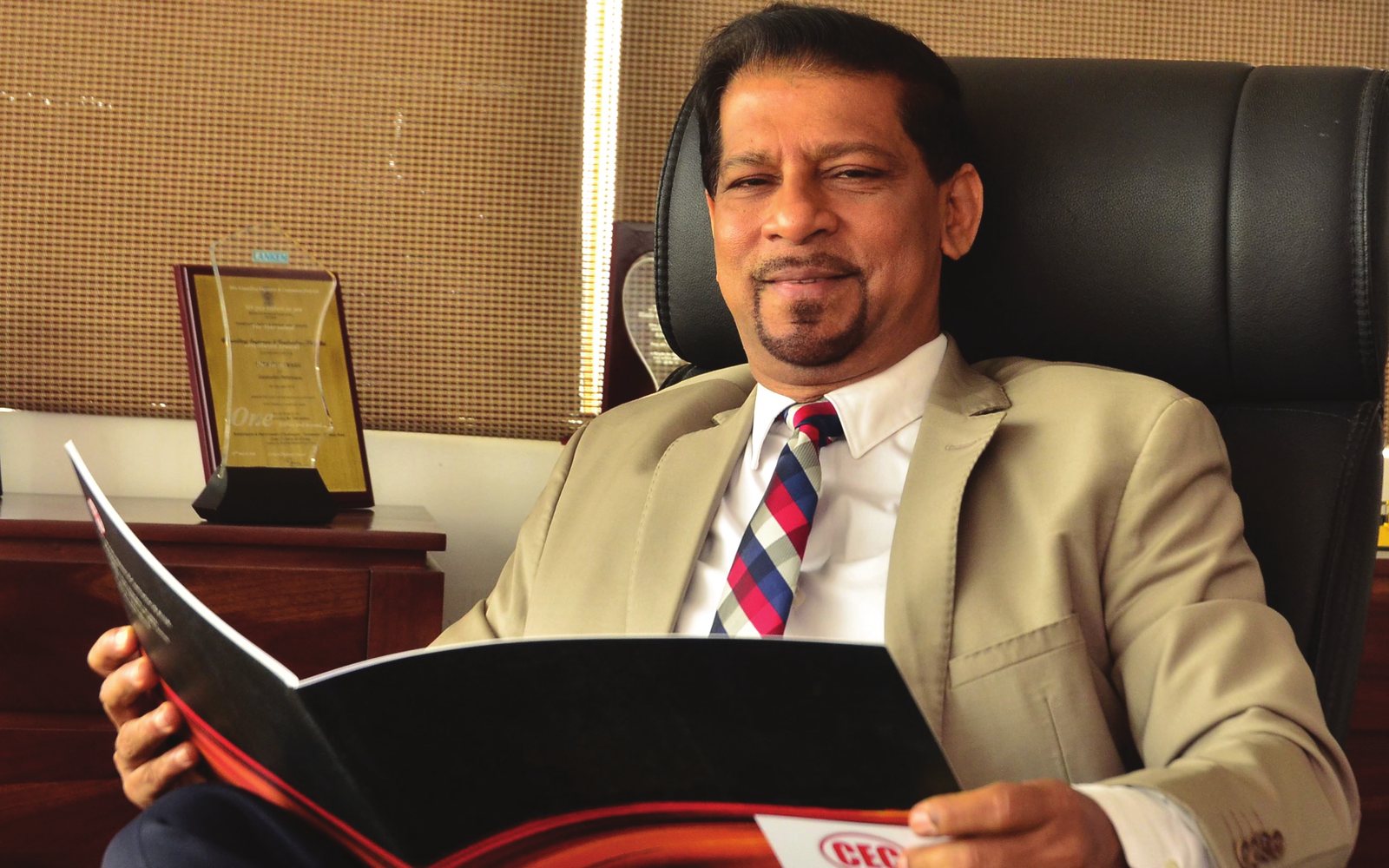
Eng. Randeni is the Chairman and Managing Director of CEC, a major road construction company with a CS2 grading from the Construction Industry Development Authority (CIDA, formerly ICTAD), a major road contractor for over a decade. CEC has grown from a small independent contractor into a major construction and road development company, and is well recognised as a dependable contractor with a very high rating for delivering projects with great quality and on time.
Under his chairmanship, CEC has evolved into a leading civil engineering organisation, supported by a highly skilled and experienced workforce and a comprehensive fleet of modern equipment capable of undertaking a wide range of civil engineering projects. With total assets exceeding LKR 4,000 million, CEC continues to deliver high-quality, client-focused engineering solutions.
In its early years, from 1992 to 1994, operating from an office on Baseline Road, CEC secured contracts with the Tri-Forces, the Army, Police and Air Force, carrying out building construction, sewerage design and road works. As its reputation as a reliable construction company grew, CEC went on to work with the UDA, RDA and PRDA, executing major road projects, several of them foreign funded by the ADB, World Bank and JICA.
CEC continues to handle NCB and ICB projects, with around 40% of bill payments made in US dollars. By securing these contracts locally, the company keeps them from going to foreign contractors and brings much-needed foreign currency into the country.
While the war raged in the Northern and Eastern provinces, CEC pioneered road construction in conflict areas when most contractors were reluctant to take on such work, risking the lives of its staff and overcoming great difficulty in moving materials and manpower.
Under his leadership, the company has become a leading pioneer in road construction, setting new benchmarks for engineering excellence. It has completed over 1,000 km of high-quality road networks.
His tenure is marked by complex, large-scale projects, most notably the Central Expressway Project, a cornerstone of the nation’s modern transport infrastructure. CEC has also met rigorous global standards on developments funded by the World Bank, the Asian Development Bank, JICA and the Kuwait Fund, with a proven record of managing donor-funded projects with precision, transparency and long-term socio-economic impact.
His active involvement in premier professional and trade bodies has been central to his long-standing ambition to serve both the construction industry and the wider business community in Sri Lanka.
As an NCASL Board Director, represented Sri Lanka at IFAWPCA summits across 14 nations, including Japan, Australia and Singapore, to shape regional construction policy.
Took part in the Lithuanian Business Forum, engaging the European business community to foster bilateral trade and investment.
Served on high-level state delegations to Russia, Japan and Central Asia, representing Sri Lanka’s tourism, construction and export sectors.
Led strategic missions to the USA, UK and Dubai, sourcing advanced machinery and technology for the domestic construction industry.
At the invitation of Sri Lankan Ambassadors, took part in premier travel fairs in Germany, France and the UK to promote national hospitality.
Maintains strong relationships with diplomatic missions to establish international business enterprises and promote export trade.
Under his leadership, CEC diversified into agriculture and agro-tourism to strengthen export capacity and generate foreign exchange.
Led JASTECA delegations to Japan, focusing on bringing Japanese technical and cultural excellence into Sri Lankan corporate practice.
Manages a wide network of business associates across Germany, the USA, China and Russia, facilitating international trade.
Joined National Chamber of Commerce delegations to emerging markets in Bahrain, Kazakhstan and Belarus to strengthen economic ties.
Through COYLE, joined missions to the USA and Cuba, and completed intensive bilateral enterprise training in Japan.
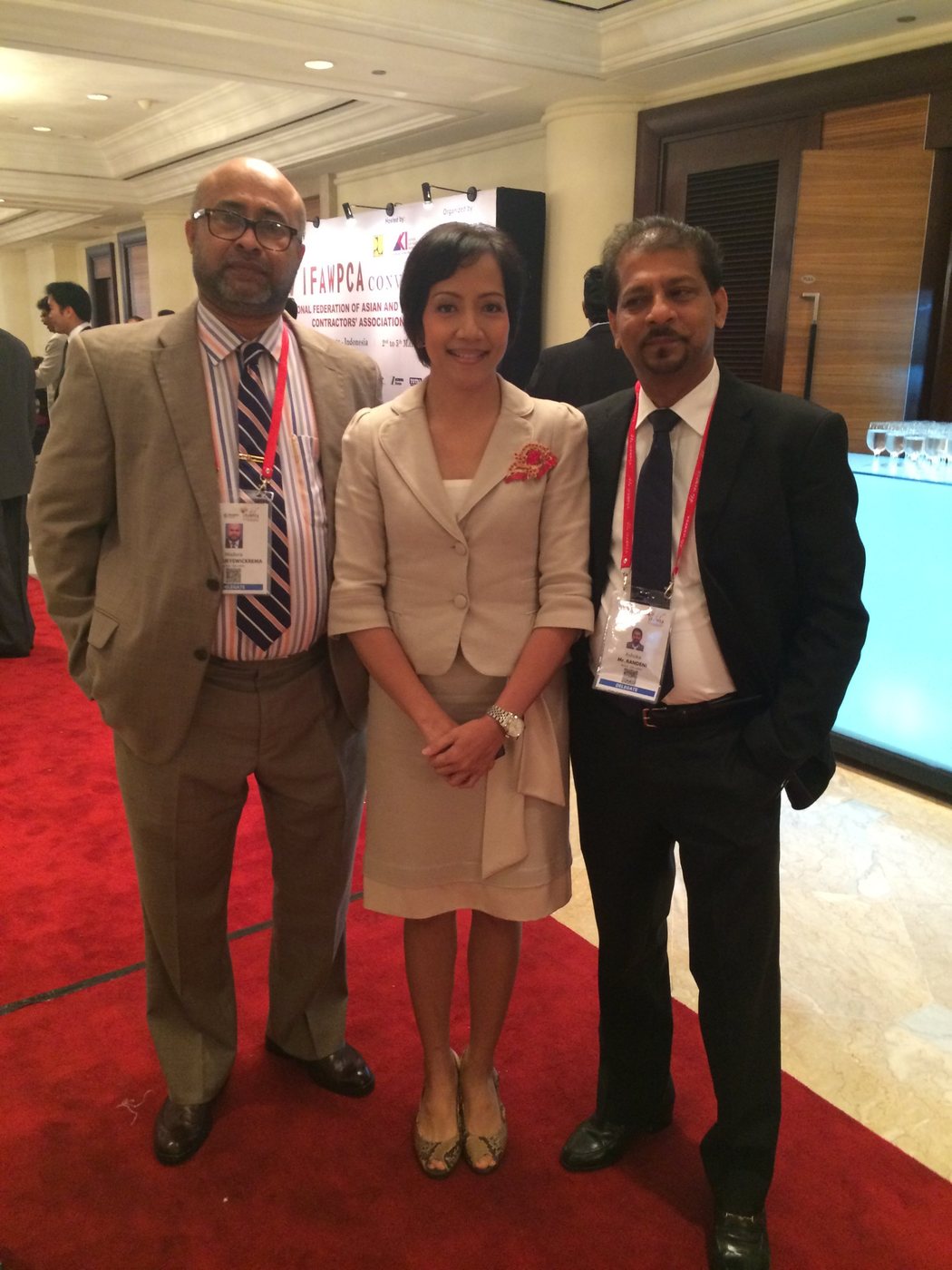
Delegate representing Sri Lanka’s construction industry at the federation’s conventions.
Representing Sri Lanka’s construction industry across 14 nations, from Japan and Australia to Singapore and Indonesia.IFAWPCA Convention · Indonesia